

How to Make Your Wetsuit Last Longer: Care & Maintenance Guide

Your wetsuit is one of the most important pieces of kit you own as a surfer. Treat it well and a quality wetsuit — especially one built with Yamamoto neoprene — will last you five years or more. Neglect it and you'll be replacing it far sooner than you should.
Here's exactly how to get the most out of your wetsuit.

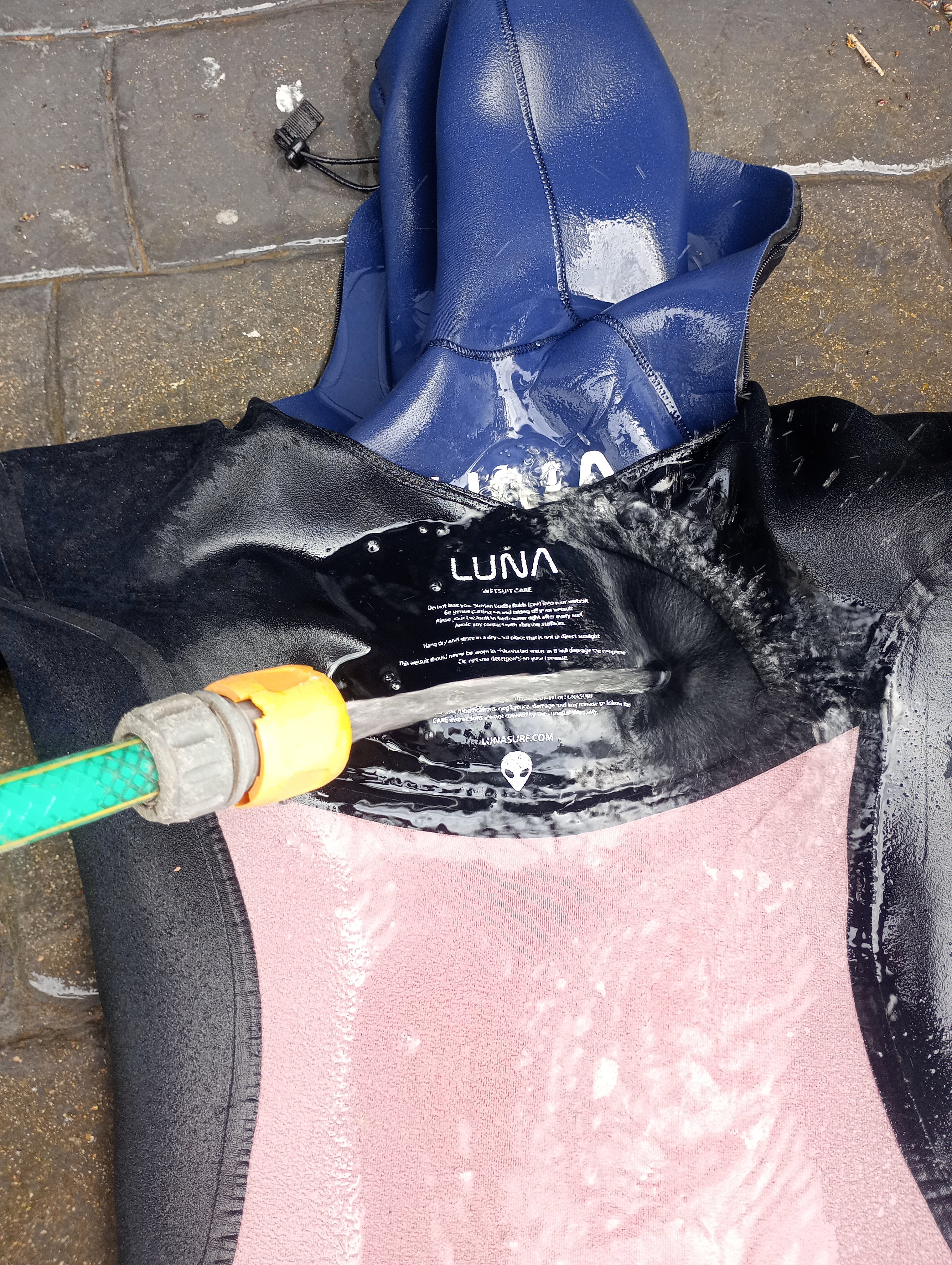
1. Rinse It After Every Single Session
This is the most important habit you can build. Saltwater, sand, and sunscreen all degrade neoprene over time. After every surf:
- Rinse your wetsuit thoroughly with cold or lukewarm fresh water — never hot
- Turn it inside out and rinse again, paying attention to the seams and zip area
- Give the zip and any velcro a good flush to prevent salt build-up and corrosion
- It's also worth lubricating the zip occasionally — this keeps the mechanism smooth, prevents salt and sand from damaging it, and is one of the easiest ways to prolong your wetsuit's lifespan
Hot water breaks down neoprene's elasticity faster than almost anything else. Cold rinse, every time.


2. Dry It Properly — Inside Out First
Never hang your wetsuit in direct sunlight or near a heat source. UV rays and heat are neoprene's worst enemies.
The right way to dry:
- Hang inside out in a shaded, well-ventilated spot until the inside is dry
- Flip it the right way out and allow the outside to dry fully
- Use a wide, padded hanger — a thin wire hanger will crease and stress the neoprene at the shoulders over time
Never put your wetsuit in a tumble dryer, on a radiator, or leave it in a hot car boot.


3. Store It Correctly Off-Season
How you store your wetsuit between seasons matters more than most surfers realise.
- Store flat or loosely folded — never on a thin hanger long-term, as this stretches the shoulders
- Keep it in a cool, dark, dry place away from direct light
- Avoid storing it compressed under heavy gear
- A breathable bag or dedicated wetsuit bag works well; avoid airtight plastic bags which can trap moisture and cause mildew
4. Be Careful Getting In and Out
Most wetsuit damage happens during dressing and undressing, not in the water.
- Never use your fingernails to pull the suit on — use your palms and fingertips flat
- Pull the suit on gradually, working it up in sections rather than yanking
- If you're struggling, put a plastic bag over your hand or foot to slide through the suit effortlessly — remove it once through
- Watch where you're getting changed — dragging your suit on gravel, tarmac, or rough ground tears the neoprene and lining fast
- Take your time getting out — rushing is when zips get forced and seams get torn
5. Fix Small Repairs Before They Become Big Ones
A fin slice, small tear, hole from the reef, or delaminating seam left untreated will grow quickly in the water. Catch it early:
- For small tears to fin slices and holes, we recommend Sikaflex — the ultimate wetsuit repair glue for wetsuits, boots, and gloves. Very durable, easy to apply with a gun, and cheap. Apply to both surfaces, allow to go tacky, then press firmly together
- For seam repairs, liquid tape applied over the affected area restores waterproofing effectively
- Keep a small repair kit at home — it's a fraction of the cost of a new wetsuit
6. Rotate If You Surf Regularly
If you're in the water every day or twice a day, running two wetsuits in rotation is worth considering — it gives each suit time to dry fully between sessions, which helps prevent bacterial build-up and lining degradation.
7. Don't Pee in Your Wetsuit
We'll keep this one brief. It happens — but making a habit of it accelerates neoprene degradation, destroys the lining, attacks the glue on your seams, and can cause liquid tape to peel. It's also the primary cause of that smell no amount of rinsing seems to fix. If you do, rinse immediately and thoroughly. Your wetsuit (and your surf buddies) will thank you.
8. You Could Use a Wetsuit-Specific Wash Very Occasionally
A dedicated wetsuit shampoo or cleaner (not regular detergent) does two things: removes bacteria that cause any wetsuit smell, and conditions the neoprene to keep it supple.
Use it every few sessions or when the suit starts to smell. A small amount goes a long way — just add it to a bucket of cold water and soak for 10–15 minutes before rinsing thoroughly.
The Right Accessories Make a Difference

How you handle your wetsuit before and after a session matters too. A few things worth having:
- Wetsuit boots — essential for cold water comfort; cold feet end sessions early and make getting changed a miserable, rushed experience that's hard on your suit
- A changing mat — protects your suit (and your feet) from grit and gravel when getting changed
- A wide wetsuit hanger — one of the cheapest and most effective investments for suit longevity
How Long Should a Wetsuit Last?
With proper care, a well-made wetsuit should last 3 to 5 years of regular surfing, and potentially longer with lighter use. If you're in the water multiple times a week, expect 1 to 2 years of peak performance — neoprene inevitably compresses and loses its thermal efficiency over time. Yamamoto neoprene wetsuits tend to hold their stretch, shape and thermal performance better than standard neoprene — which is part of what justifies the investment.
How Many Years Do Wetsuits Last by Usage Level?
To know the lifespan of your wetsuit, you first need to assess your practice level. An occasional surfer will see their equipment last several years. Conversely, daily practice wears the neoprene out faster.
- Occasional surfers (1–2 times per month): With proper care, a good wetsuit offers excellent durability for three to five years before weakening.
- Weekend surfers (1–2 times per week): A durable model can be expected to remain functional for two to four years.
- Dedicated surfers (3–5 times per week): Standard neoprene will show wear within a season/year. Yamamoto neoprene holds its stretch, form and thermal performance significantly longer — expect 2 to 3 years of solid performance, making it the smarter choice for regular water time.
- Competitors or cold-water enthusiasts: Performance demands are high — but a Yamamoto suit's superior elasticity retention means you're not replacing it every season like you would with standard neoprene. We have customers using our suits for 3 winters and still selling them on easily when looking to invest in a new one.
Why Lifespans Vary
- Frequency of use: An occasional weekend surfer might get 5+ years from a suit. A dedicated daily user will wear one out in one to two seasons.
- Maintenance: Failing to rinse thoroughly with fresh water, drying in direct sunlight, or leaving a suit damp in a dark space drastically accelerates degradation.
- Water type: Constant exposure to saltwater abrades and degrades high-performance neoprene faster than occasional use in a chlorinated pool.
If your suit is losing its stretch, flushing cold water, or the seams are consistently failing despite repairs, it's time to look at a replacement.
Lunasurf Warranty
All Lunasurf wetsuits come with a 1-year warranty from the original purchase date, covering manufacturing defects including seam separation, defective zippers, and delamination. Normal wear and tear, fading, and damage resulting from improper care are not covered.
Ready to Upgrade?
Browse the Lunasurf wetsuit collection — built 100% with Yamamoto neoprene for surfers who want performance that lasts.



Compartir:
Core-X ARC-Zip Wetsuits: Which Thickness Is Right for You? 4/4 vs 5/4 vs 6/4
Cold Water Surfing Essentials: What You Actually Need